
A Beginner’s Guide To Wasps & Nests: Everything To Know
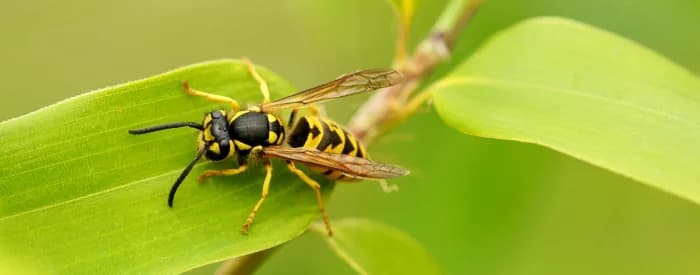
Wasps & Wasp Nests Around Your Home
If you have started seeing more wasps around your place and it feels like it’s come out of nowhere, you are not imagining it. This tends to happen at the same time every year. One week, the garden feels fine, the next, you are swatting wasps away from your drink or watching them disappear into a gap in the roof and thinking, “That can’t be good.”
Most people only start worrying about wasps once they notice that pattern of movement. One or two wasps are annoying. Ten going into the same hole in the wall usually means there is a nest somewhere you cannot see. So, read on to find out everything you need to know about wasps, nests, and how to prevent them.
Why Are You Seeing More Wasps?
Wasps are around for most of the year, but you only really notice them once their numbers build up. Early in the year, a single queen sets up a nest somewhere sheltered. At that point, there is not much activity, so it goes unnoticed.
By late spring and into summer, the nest has grown. More wasps are leaving to find food, which is why they suddenly start appearing around gardens, bins, and outdoor seating. This is also why people tend to think there has been a sudden “invasion”, when really it has been building quietly for weeks.
Later in the season, food becomes harder for them to find in the wild. That is when they start taking more interest in human food and drinks. It is also when they tend to hang around longer instead of just passing through.
Where Do Wasps Build Nests?
Wasps are good at finding sheltered spots that we rarely check. Around homes, nests often turn up in places like:
- Roof spaces and lofts
- Sheds, garages, and outbuildings
- Under roof tiles or tucked into eaves
- Inside small wall gaps
People often only realise a nest is there because they keep seeing wasps flying in and out of the same place. By the time that becomes obvious, the nest has usually been there for a while.
Signs There Is A Wasp Nest
There is no big sign saying “nest here”, but a few things tend to give it away. People usually notice one of these first:
- Wasps repeatedly flying to the same spot
- More wasps than usual were around one side of the house
- The odd wasp getting into the house through open windows
- A low buzzing sound in a loft or shed
If you keep seeing wasps using the same entry point, it is rarely a coincidence.
Are Wasp Nests Dangerous?
This depends a lot on where the nest is. A nest tucked away at the far end of a garden might never cause any trouble. A nest near a door, window, or loft hatch is more likely to become a problem.
Wasps defend their nest. If they think it is under threat, they react quickly. Most stings are painful rather than serious, but some people react badly, and getting stung multiple times can be a real shock to the system, even for people with no allergies.
It’s not just allergies to be worried about. A growing wasp nest can cause structural damage to your property if left unchecked for too long. Small gaps in brickwork, roof edges, and older timber all make good starting points for nests. Add in bins, food waste, or fruit in the garden, and the area becomes even more attractive to foraging wasps.
Can You Remove a Wasp Nest Yourself?
Very small nests early in the season sometimes get dealt with using shop-bought treatments. The problem is that most people only notice a nest once it is already well established. So, as a rule of thumb, you probably shouldn’t be dealing with a wasp nest yourself.
Once a nest is active, disturbing it can lead to a lot of wasps very quickly. In lofts and sheds, it can feel less like a “pest control job” and more like a very bad decision. There is also the risk of only half-solving the problem, which leaves you with angry wasps and a nest that is still there.
How To Reduce Wasp Nesting
You cannot make your home wasp-proof, but you can make it less appealing over time. Simple habits tend to help:
- Keeping bins closed and reasonably clean
- Not leaving sweet drinks or food outside for long
- Having a quick look at the roof edges and sheds in spring
- Filling small gaps in brickwork or timber when you spot them
None of this guarantees you will never see a wasp nest, but it reduces the chances of one going unnoticed for weeks.
Wasp Nest Removal In Bedfordshire
When wasps start taking over parts of your home or garden, it can make everyday things feel like more of a hassle than they need to be. Sorting the problem early usually stops it from becoming something you dread dealing with every summer.
For homes and businesses across Bedfordshire, Ace Pest Control handles wasp nest issues in lofts, wall spaces, sheds, and outdoor areas. The aim is to deal with the nest safely so the space can be used normally again, without people worrying about getting stung every time they walk past.
What Happens During a Wasp Callout
One of our technicians assesses the nest location, the access around it, and how active it is before starting any treatment. Where it is safe to do so, the nest can often be treated on the same visit, using the right protective equipment for the job rather than a shop-bought spray.
Nests in loft spaces, wall cavities, and sheds are treated differently depending on where they sit. Afterwards, we can also advise on what to check for so the same spot does not attract another nest next year.
If you want the nest looked at or need advice on what to do next, give us a call on 01234 838 391 or fill out the online contact form, and someone will get back to you.
Common Questions About Wasps
Do I need to get a wasp nest removed?
Not every nest causes a problem, one tucked away at the far end of a garden might never bother anyone. A nest near a door, window or loft hatch is a different matter, and is worth having removed before it grows further.
Can I remove a wasp nest myself?
Most people only notice a nest once it is already well established, and disturbing an active nest yourself can lead to a lot of angry wasps very quickly. It is best left to someone with the right protective equipment.
How do I stop wasps nesting again?
Keeping bins closed, not leaving sweet food or drink out, and checking roof edges and sheds in spring all help. It will not guarantee a nest never appears, but it removes some of the easy spots wasps look for.
Are wasps dangerous to people with allergies?
Most stings are painful rather than serious, but some people react badly, and multiple stings can be a real shock to the system even without a known allergy. If a nest is active near the house, it is worth having it dealt with rather than risking repeated stings.